Portal of Commencement
Midpoint Shelter, Inc

 Home
Home
Our
Since our founding in 2013, Portal of Commencement Midpoint Shelter, Inc. has been committed to restoring hope and stability to families in need. With locations in both Atlanta, Georgia and Shreveport, Louisiana, we provide a bridge from hardship to self-sufficiency through comprehensive programs that educate, empower, and uplift. Our services go beyond transitional housing—focusing on the development of skills, confidence, and opportunity that allow families to thrive long after they leave our care.
Service Delivery Quality Assurance Program
Our Service Delivery Quality Assurance (SDQA) program is the cornerstone of our mission. It ensures that every participant—whether a resident or community
member—receives consistent, high-quality, and impactful support. SDQA provides a structured schedule of weekly workshops designed to strengthen financial
stability, workforce readiness, and digital competency.
• Financial Literacy
In partnership with Truist Bank, participants gain hands-on knowledge in managing personal and family finances. Workshops cover topics such as budgeting,
savings, credit management, debt reduction, and banking best practices. Truist representatives work directly with families to develop personalized financial
plans, helping them break free from cycles of economic insecurity and build a foundation for lasting independence.
• Computer Literacy
Recognizing the importance of technology in everyday life, our computer literacy courses equip participants with essential digital skills. From basic computer
operations to online safety, document creation, and the use of productivity software like Microsoft Office, these sessions prepare both youth and adults for
success in school, the workplace, and daily living. Participants also learn how to navigate online job applications, educational platforms, and virtual communication tools.
• Job Placement
Through our collaboration with Atlanta Staffers, participants receive personalized employment support including résumé development, interview coaching, and direct job placement services. Each individual is guided through career readiness training that aligns their skills and interests with available job opportunities. This partnership ensures families gain access to sustainable employment that strengthens financial security and self-reliance.
• Family Pages Literacy Program
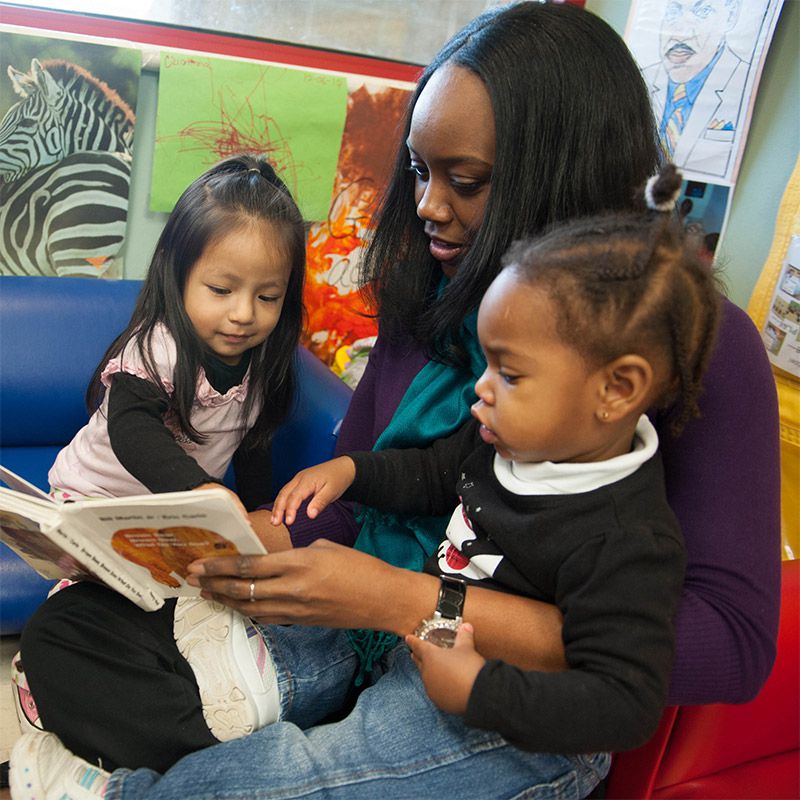
Our Family Pages program is one of the most impactful components of our organization—dedicated to promoting literacy among both children and adults. Offered annually from October to September, Family Pages provides small-group and one-on-one instruction for students in grades K–12 as well as adults pursuing improved reading and writing skills.
The program’s holistic approach blends classroom-style lessons with interactive Parent and Child Together (PACT) sessions, reading circles, storytelling workshops, and community literacy events. Certified instructors guide participants through goal setting, skill assessments, and progress tracking. By the end of each program year, children often advance multiple reading levels, and parents report increased confidence and engagement in their family’s learning journey.
Blessing Bag Program: Feed the Homeless Outreach
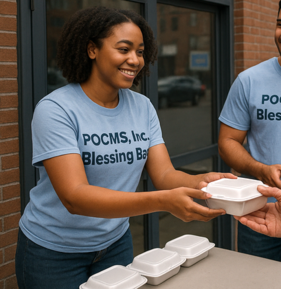
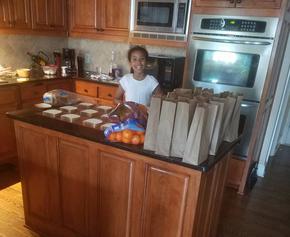
Introduced in 2015, the Blessing Bag Feed the Homeless Outreach has become one of Portal of Commencement Midpoint Shelter, Inc.’s most
vital community initiatives. Operating every weekend at Hurt Park in Atlanta, GA, the program serves as a lifeline to individuals and families facing
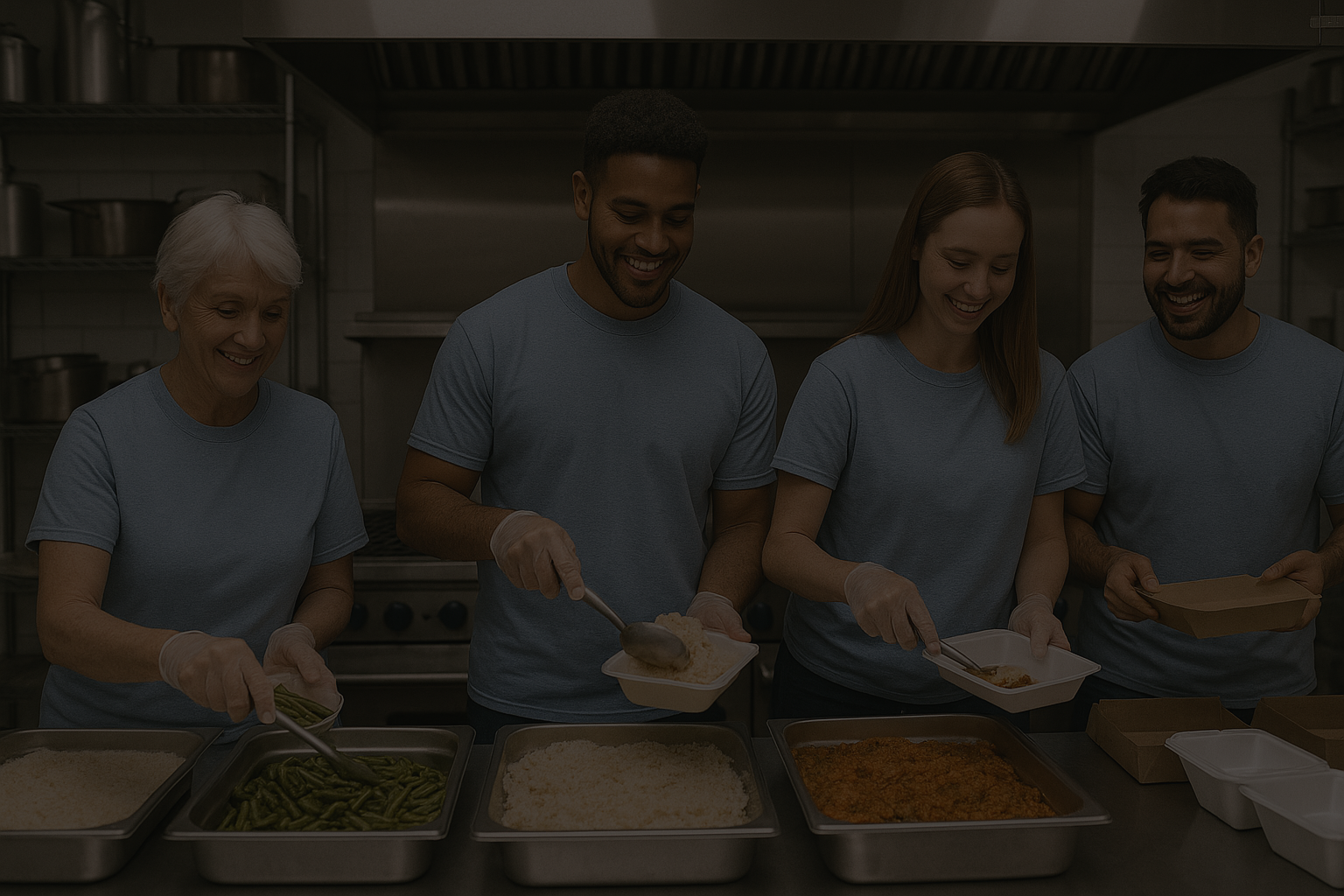
food insecurity and homelessness. Each week, our dedicated staff and volunteers distribute nutritious meals, beverages, hygiene kits, and essential
items to over 300 people, providing not only sustenance but also dignity, compassion, and human connection.
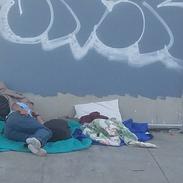
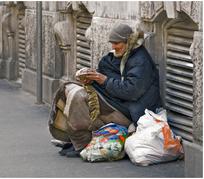
Homelessness continues to challenge service providers across the United States (USA), where nearly 600,000 individuals are without a place to
call home on any given night (NAEH, 2018). When including families who are “doubling-up” with friends or relatives due to financial hardship, the
number of people experiencing homelessness rises into the millions. This crisis presents enormous challenges for both service providers and
policymakers, particularly when addressing the overlap between basic needs, health outcomes, and the persistent lack of access to nutritious food.
The difficulty homeless individuals face in acquiring food is often compounded by barriers such as limited income, transportation, health issues,
and social stigma. Without consistent access to safe, healthy, and socially acceptable meals, many remain at risk of chronic food insecurity—a condition
defined as “access by all people at all times to enough food for an active, healthy life” (Coleman-Jensen et al., 2018). Building on research highlighting
the complex nature of food insecurity among the homeless (Lee et al., 2010), our outreach recognizes that homelessness is not only an economic crisis, but also a public health concern shaped by systemic inequities, stressors, and limited community resources.
In 2024, an estimated 2,867 individuals in Atlanta were experiencing homelessness—both sheltered and unsheltered—all of whom can be presume to rely on community-based food initiatives like Blessing Bag for nourishment and support. Our program directly responds to this need by offering consistent, compassionate outreach every weekend, bridging the gap between hunger and hope.
The Blessing Bag Feed the Homeless Outreach is more than a service—it is a necessity. It represents the heart of our mission: to extend care,
restore dignity, and ensure that no one in our community is left unseen or unfed. Through the continued efforts of our volunteers, donors, and
partners, we remain steadfast in our goal to bring relief, understanding, and humanity to those who need it most.
Our Holistic Approach
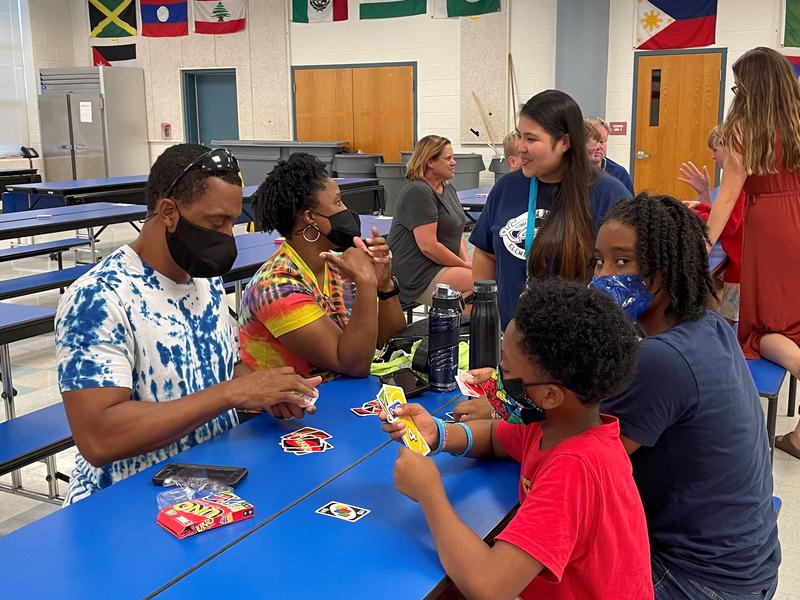
Our services reach diverse communities across two states, uniting them through a shared goal of empowerment and growth. Each initiative—whether financial education, technology training, nutritional outreach, job readiness/placement, or literacy—reflects our belief that families deserve not only safe housing but the opportunity to achieve lasting independence.
Services: